Certificate
Foundations of Digital Forensics and Cyber Investigation
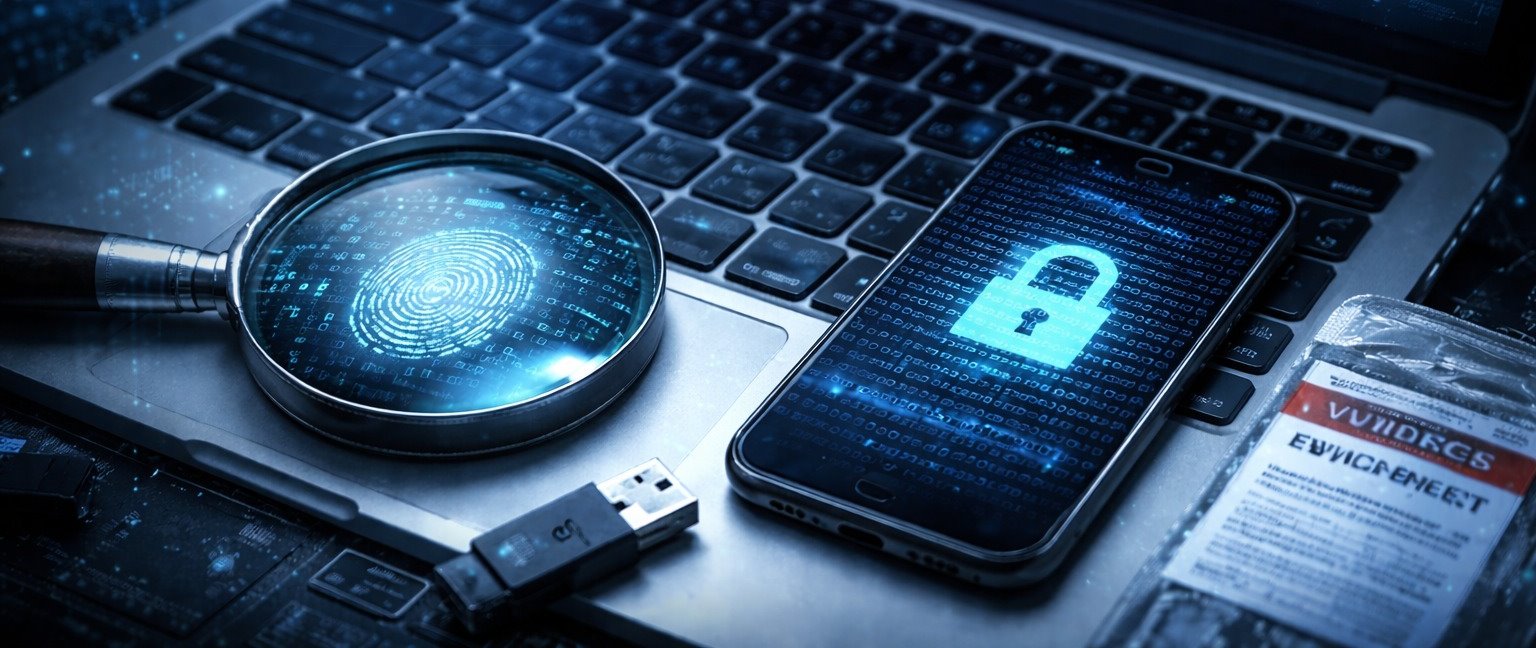
Course Outline
The Foundations of Digital Forensics and Cyber Investigation course provides a comprehensive introduction to the principles, processes, and practices used in digital forensic investigations. Designed at beginner level, the course explores how digital evidence is identified, preserved, analysed, and presented in response to cyber incidents and criminal investigations.
Participants will gain conceptual understanding and guided exposure to forensic tools, investigative workflows, and legal considerations surrounding digital evidence. Through live demonstrations, case examples, and structured assessments, learners develop foundational knowledge required for entry into cybersecurity, digital investigations, and incident response fields.
Key Information
- MQF/EQF Level: Not pegged/recognised by MFHEA
- ECTS: N/A
- Qualification/Certification Type: Certificate of Completion
- Course Duration: 8 weeks × 2 hrs/week
- Total Hours: 16 hours
- Delivery Mode: In-person (hands-on lab-based)
- Language of Instruction: English
- Target Audience: 18+ years
Students must complete at least 85% of total learning hours (tracked via attendance logs, lab participation and assessment submissions). A Certificate of Completion will be issued accordingly.
Course Description
Modern cybersecurity relies on digital forensics to investigate incidents, identify threats and support legal processes. This unit introduces the fundamental principles and practices used in digital forensic investigations and cyber incident analysis.
The unit begins by exploring the nature of digital evidence and how it is identified, preserved and handled in line with investigative standards. It then examines how computer systems store data from a forensic perspective, along with introductory techniques used in network and email investigations.
Building on this foundation, the course introduces key concepts in incident response, including the processes used to detect, analyse and document cyber incidents. Learners will also gain awareness of legal and procedural considerations in handling digital evidence.
Throughout the unit, learners will combine theoretical understanding with guided practical examples, developing the skills to interpret digital evidence, follow investigative workflows and contribute to basic cyber investigation activities.
Entry Requirements
- Basic computer literacy
- Familiarity with operating systems (e.g., Windows)
- No prior digital forensics experience required
- Interest in cybersecurity, law enforcement, or IT investigation
Target Audience
This course is suitable for:
- Students exploring careers in cybersecurity
- IT professionals seeking foundational forensic knowledge
- Law enforcement personnel beginning digital investigations
- Compliance and risk officers
- Career changers entering cyber investigation
- Anyone interested in understanding how cybercrimes are investigated
Course Delivery
The programme is structured into five modules, delivered through:
- Interactive live lessons
- Demonstrations and walkthroughs
- Guided practical examples
- Case-based learning
- Graded quizzes
- Final examination (30 questions)
Course Structure
- Module 1 – What is Digital Forensics?
- Module 2 – Digital Evidence & Preservation
- Module 3 – Computers and Data from an Investigator’s Perspective
- Module 4 – Introduction to Network and Email Investigations
- Module 5 – Incident Response and Reporting
- Final Assessment
Assessment & Certification
Assessment methods include:
- Five graded quizzes (one per module)
- Participation in demonstrations and guided labs
- Final examination covering all modules (30 questions)
Upon successful completion and passing the final assessment, learners receive a Certificate of Completion in Foundations of Digital Forensics and Cyber Investigation.
Learning Outcomes
Upon successful completion of this course, participants will be able to:
- Explain the core principles of digital forensics
- Identify different types of cybercrime and digital evidence
- Describe how digital evidence is preserved and verified
- Understand how computers store and manage forensic artifacts
- Interpret basic email headers and network logs
- Explain the stages of incident response
- Prepare structured and professional forensic documentation
Course Intake Dates & Pricing
July 2026
Price: EUR 560

Advancing Education. Empowering Innovation.
Sign Up for Course Alerts
Get notified when new courses launch so you never miss a learning opportunity.