Certificate
Biological Information Encoding, Transmission and Regulation During Cellular and Generational Inheritance
Course Outline
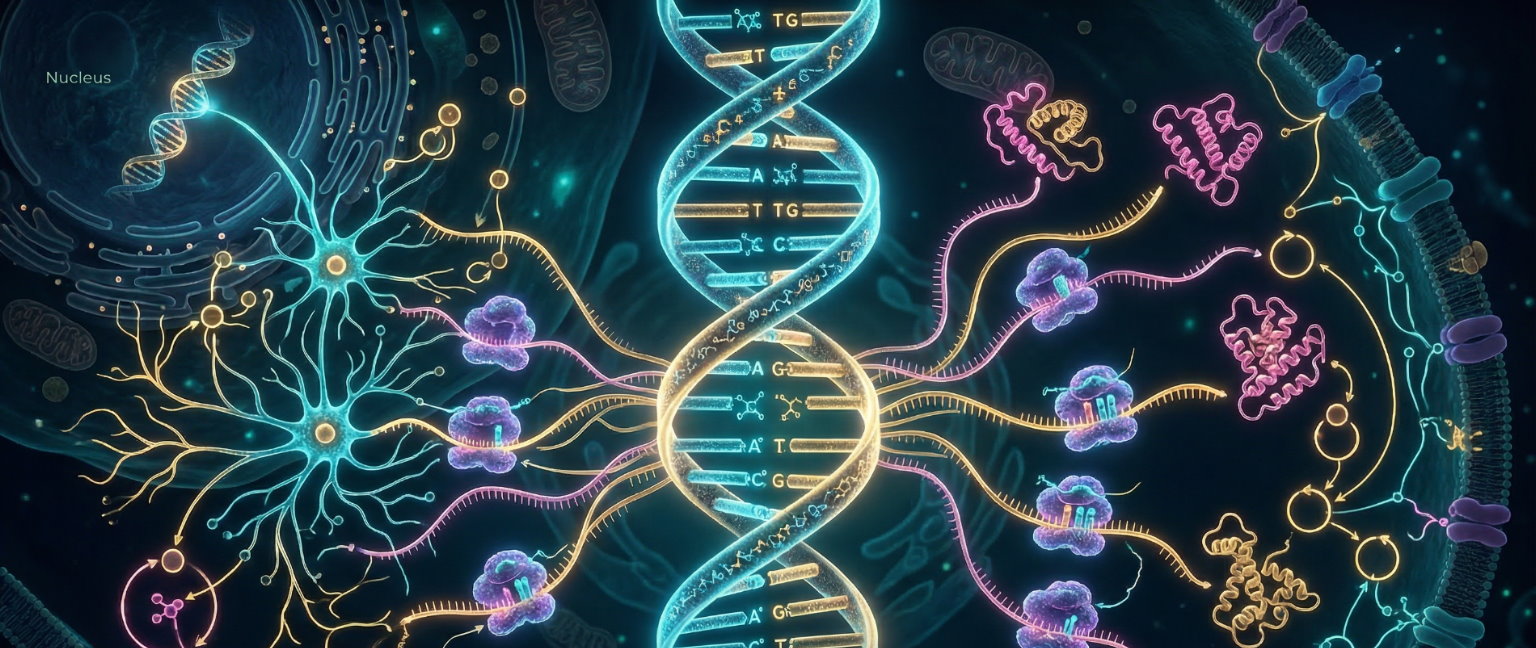
This course introduces learners to the fundamental principles governing how biological information is encoded, transmitted and regulated within cells and across generations. From DNA structure and gene expression to inheritance patterns and regulatory mechanisms, students will explore how living systems preserve and control information.
The course examines molecular, cellular and genetic processes that ensure the continuity of life, with emphasis on encoding systems, information flow and regulatory networks.
Learners will combine theoretical knowledge with case studies and applied examples to understand how biological information is maintained, modified and inherited.
Key Information
- MQF/EQF Level: Not pegged/recognised by MFHEA
- ECTS: N/A
- Qualification/Certification Type: Certificate of Completion
- Course Duration: 3 days
- Total Hours: 20 hours
- Delivery Mode: In-person
- Language of Instruction: English & French
- Target Audience: 18+ years
Students must complete at least 85% of total learning hours (tracked via attendance logs, class participation and assessment submissions). A Certificate of Completion will be issued accordingly.
Course Description
The continuity of life depends on the accurate encoding, transmission and regulation of biological information. This unit explores how genetic information is stored in DNA, expressed within cells and passed from one generation to the next.
The course begins by examining the molecular basis of information encoding, focusing on DNA structure, chromosomal organisation and the genetic code. Learners will explore how DNA is replicated and maintained during cell division.
The unit then investigates gene expression, including transcription, translation and post-transcriptional modifications, highlighting how cells regulate protein production.
Learners will study cellular inheritance mechanisms, including mitosis and meiosis, and examine how genetic information is distributed to daughter cells and offspring.
The course also explores regulatory systems such as gene regulation networks, epigenetic modifications and environmental influences on gene expression.
The unit concludes with an overview of generational inheritance, including Mendelian genetics, genetic variation and the role of regulatory mechanisms in evolution.
Throughout the unit, learners will develop analytical skills to understand how information flow and regulation underpin cellular function, development and heredity.
Entry Requirements
- Basic understanding of general biology concepts
- Familiarity with cell structure and DNA is recommended
Target Audience
This course is designed for:
- Biology students (tertiary level)
- Health and life sciences learners
- Genetics and biotechnology students
- Laboratory assistants and technicians
- Individuals interested in molecular biology and evolution
- Science enthusiasts seeking structured biological knowledge
Course Delivery
The programme is structured into eight modules, delivered through:
- Instructor-led lectures
- Interactive discussions
- Case studies and comparative analysis
- Visual presentations and diagrams
- Group activities
- Short assessments and quizzes
Course Structure
- Module 1 – Principles of Biological Information Encoding
- Module 2 – Chromatin Architecture and Genome Organisation
- Module 3 – DNA Replication Fidelity and Error Correction
- Module 4 – Genome Integrity and DNA Repair Mechanisms
- Module 5 – Epigenetic Regulation of Gene Expression
- Module 6 – Regulatory Networks and Gene Control Systems
- Module 7 – Cellular Inheritance and Information Stability
- Module 8 – Generational Inheritance and Heritable Variation
- Final Assessment
Assessment & Certification
Assessment methods include:
- Practice quizzes
- Module-based assessments
- Short written assignments
- Final graded assessment
Upon successful completion, learners will receive a Certificate in Biological Information Encoding, Transmission and Regulation During Cellular and Generational Inheritance.
Learning Outcomes
By the end of this course, learners will be able to:
- Explain how biological information is organised within genomes and chromatin.
- Analyse mechanisms that ensure accuracy during DNA replication.
- Describe major DNA repair systems and their role in maintaining genome integrity.
- Evaluate how epigenetic modifications regulate gene activity.
- Interpret how gene regulatory networks control cellular function.
- Explain how cells preserve identity through controlled information inheritance.
- Differentiate between genetic and epigenetic inheritance mechanisms.
- Assess the balance between information stability and variation in biological systems.
Course Intake Dates & Pricing
May 2026 (to be confirmed)
Price: EUR 500
Advancing Education. Empowering Innovation.
Sign Up for Course Alerts
Get notified when new courses launch so you never miss a learning opportunity.